Creating Boundaries as a Self-Care Practice
January 31, 2022|
Daysha J.P. Underwood

It's fun to say Yes ! It's wonderful to be helpful and to feel that you can accomplish almost anything! But what happens when that yes comes at your own expense? What do you do when you are everyone's favorite teacher, but you haven't had a weekend off or a work-free lunch break in months? Have you ever said yes to something or someone, only to instantly regret it? If you're feeling like the next yes will be the straw that breaks the camel's back, then checkout some of these tips for creating boundaries and practicing self-care.
Self-Care Pep-Talk
Educators are among the most selfless individuals. The desire to constantly put learners first seems to come as a natural reflex for most. There is no doubt that this is a strength. The last few years have made educator resilience all the more evident. Educators have made countless adjustments in order to maintain the best possible quality of education for their students even through a pandemic. From online learning, school closures and re-openings, health screening, and vaccinations, educators have stretched to meet countless needs.
The tendency of educators toward selflessness has a long-term positive impact on students as a whole. Students are able to focus on the learning because they can trust that the person teaching them has their best interest at heart. So, selflessness is good, but can a selfless teacher practice self-care? The answer is yes! You can be fully present and committed to the well-being of your students while being simultaneously committed to your own wellness and self-care. Self-care is not selfish.
Say it again for the folks in the back. Self-care is not selfish. This is a popular mantra I often recite to myself when I need that extra reminder that I deserve to be on my own priority list. I hope that you receive this blog post as a sign to add your name to your own special self-care priority list.
There are many ways to practice self-care, but today we will focus on one in particular…dun Dun DUN! ... Creating Boundaries! Boundaries are one of the most overlooked parts of self-care, but creating boundaries can be a breath of fresh air in daily life. Let’s learn a little more!
Defining Boundaries
Dr. Brené Brown, author and professor, defines a boundary simply as, "Simply what is and isn’t okay.”
In her research, she was surprised to discover that, "The most compassionate people are often the most boundaried people."
Seems counterintuitive, right? Aren't the people who say No, less compassionate?
Well not exactly, people who say no to things they don't want to do, create space for things they are truly passionate about to flourish in their lives. When they do give (time, money, advice, etc.), it is out of the kindness of their heart, not out of a sense of pressure or a perceived obligation to please others. Because of this, they show up in the most compassionate and authentic capacity.
Survey your life and commitments, wouldn’t it be great to show up in your most compassionate and authentic capacity? Are there any tasks or even relationships that you are committed to that you should re-evaluate or create boundaries around?
Creating Boundaries
As a practice of self-care, it is important to realize that you deserve compassion and respect, especially from yourself. You are the person that sets the standard for how you want to be treated. After you set that standard, you teach that standard to others. This is the part of boundaries that often takes the most courage, but trust me, it is wholly possible and worth it in the end.
Here are a few examples of possible ways to create boundaries:
- If you don't want to work on the weekends or after hours, stop responding to emails in that time frame.
- If you are tired of always paying the group bill, ask for a separate check or bring cash.
- If you have a friend who is always late, remind them that you want to leave on time and give them the option to drive separately.
- If you feel uncomfortable and would like to avoid gossip, change the subject or politely remove yourselves from conversations that are headed in that direction.
- If you are tired of carrying the weight of group projects, step back so others can step up.
- If you’d like more help with household tasks, stop cleaning everything on your own—ask for help. Make a list of tasks assignments and kindly share your expectations.
Remember, you are allowed to change your boundaries at any time. We are always evolving, so let your boundaries evolve with you. You don’t have to remain in the context of other people’s perspectives of you. You don’t have to remain in the context of your own perspective of you. You are allowed to grow and change and have different needs and boundaries.
Tips for Saying No
If saying No feels uncomfortable, check out these other ways to get your point across.
- "My schedule won't permit this."
- “Unfortunately, I am unable to prioritize this, due to other responsibilities."
- “I am unable to commit to this task."
- “Regrettably, I’ll have to miss this.”
- “Thank you, but I have plans already.”
- “I am unable to assist in this capacity.”
- “I need more support in this way _______ before I can successfully complete this.”
- “I need more clarification before I can commit to this task.”
- "No, Thank you."
Let’s Practice!
A friend excitedly invites you to an event at the last minute, but you are already feeling overwhelmed about a big day at work tomorrow and need to get some rest. What would you say?
A. Sure, I wouldn't miss it for the world!
-or-
B. "I'm so sorry. I'm going to miss your event tonight, but I'll be cheering you on in spirit.
Hopefully, you chose option B. There is no shame in prioritizing your needs and desires.
*Pro-Tip: Before bed, send a quick video message or text to encourage them. You can let them know you are rooting for them, and still get the rest you need.
You Can Set Boundaries
Setting boundaries is a self-care practice worth committing to. It has the long term effect of creating space for your life to flourish in the way best suited to your own growth. In response to your own growth, you can show up for others as the best version of yourself. I think of boundary setting as pruning a plant. You cut off or say No to the things that do not contribute to your growth—then you have the capacity to put that untapped energy into tasks that align more appropriately with your purpose or passion.
Suggested Reads
These books helped me truly grasp the importance of setting boundaries. Check them out below!
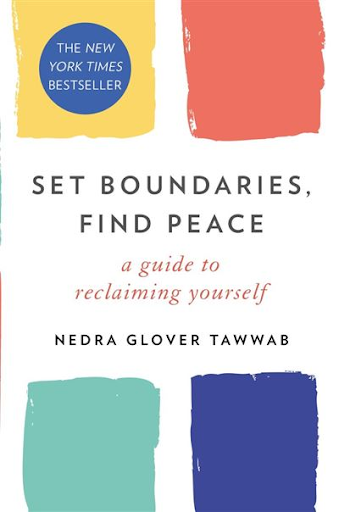
Set Boundaries, Find Peace: A Guide to Reclaiming Yourself
- Dr. Nedra Glover Tawwab
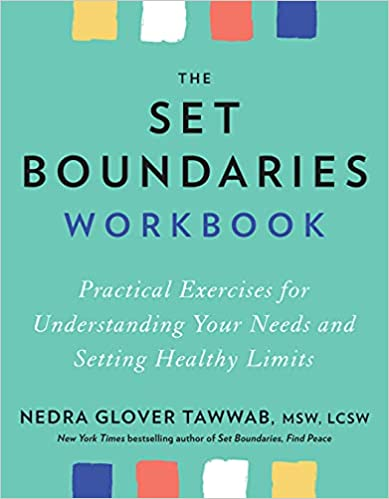
The Set Boundaries Workbook: Practical Exercises for Understanding Your Needs and Setting Healthy Limits
- Dr. Nedra Glover Tawwab
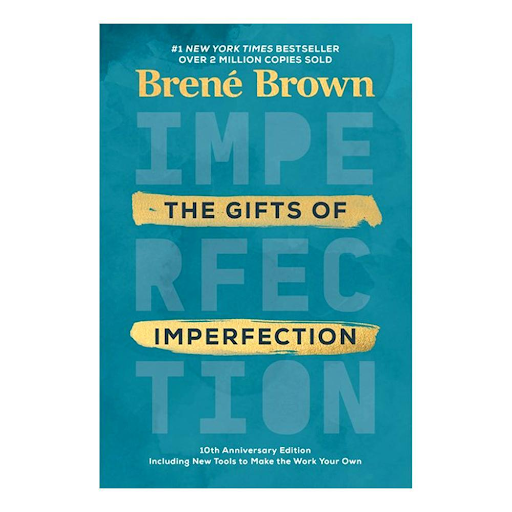
The Gifts of Imperfection
- Dr. Brené Brown