

As music teachers, we often believe that what happens between lessons is beyond our control. We can strongly encourage practice, yet we cannot compel parents to require their children to set aside time for daily practice. Even if we could control home practice, we cannot manage the after-school birthday party, the rescheduled soccer game, or the stomach flu–all factors that take time away from those precious practice hours...well, more like minutes.
It is amazing that we do not all give up in the face of such overwhelming odds. However, we do not give up because we are passionate about music and know its profound value. And there are ways to initiate practice at home. Not because we have control but because we have the power to transform the time between lessons with practice strategies that guarantee progress. When progress happens, motivation kicks in. When motivation is there, practice happens. I call it the Motivation Loop.
Soccer players bring bags with their shoes, ball, water bottle, and other equipment when they go to practice. I believe music students need to bring equipment beyond their sheet music to their practice, too. Their equipment is smaller and can be stored in a pencil pouch. I call these pouches "Practice Pouches."
Look for a sale on pencil pouches and fill them with the following items. Providing these tactile tools in a bag, even a Ziploc bag, equip students for practice between lessons.
There are three types of tools that you can add to practice pouches. Whenever you introduce a tool, it’s important to demonstrate how to use it in lessons so that students succeed with the tool before they leave.
Permanent Tools
Permanent tools are supplies you give students to keep and use throughout the year.
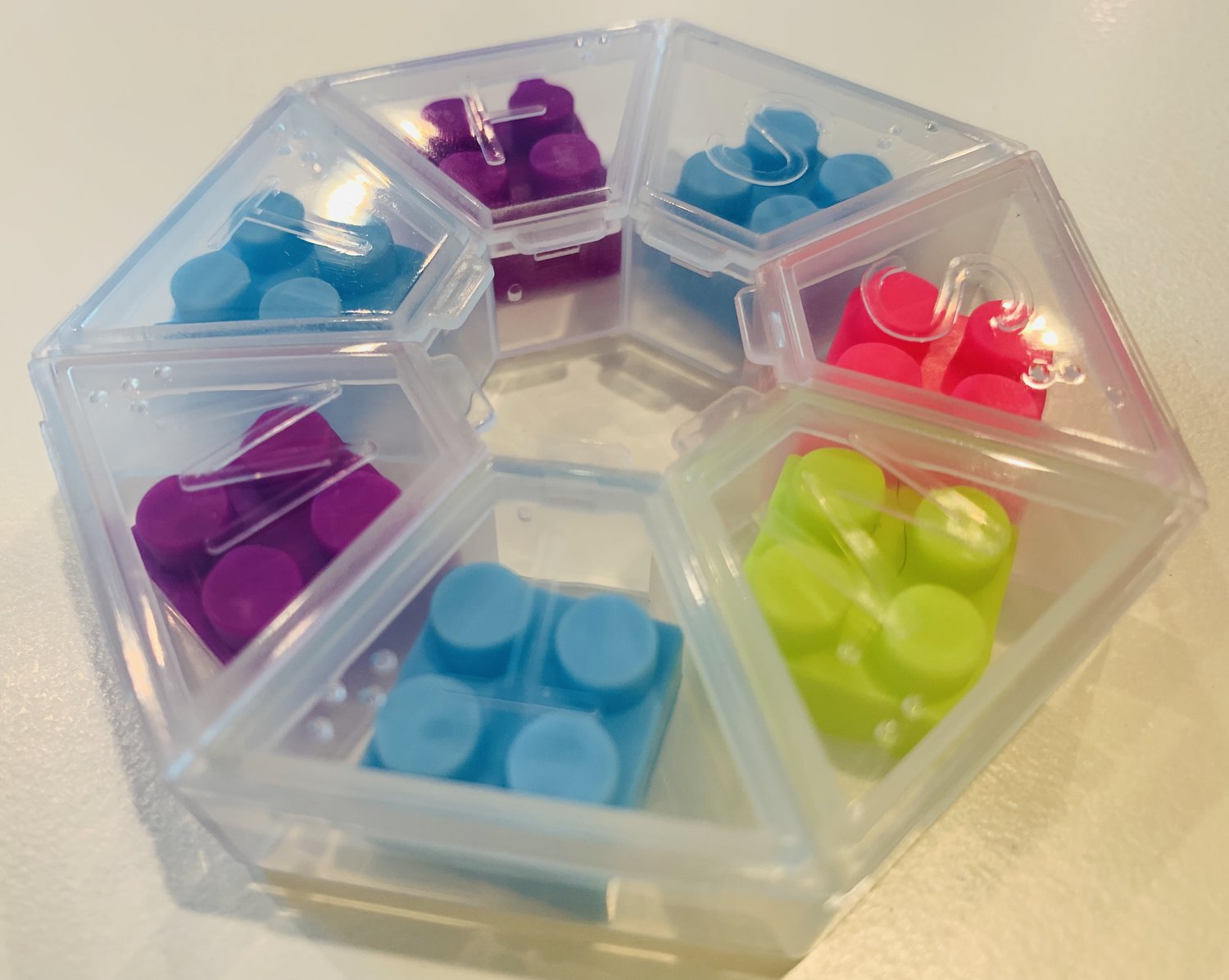
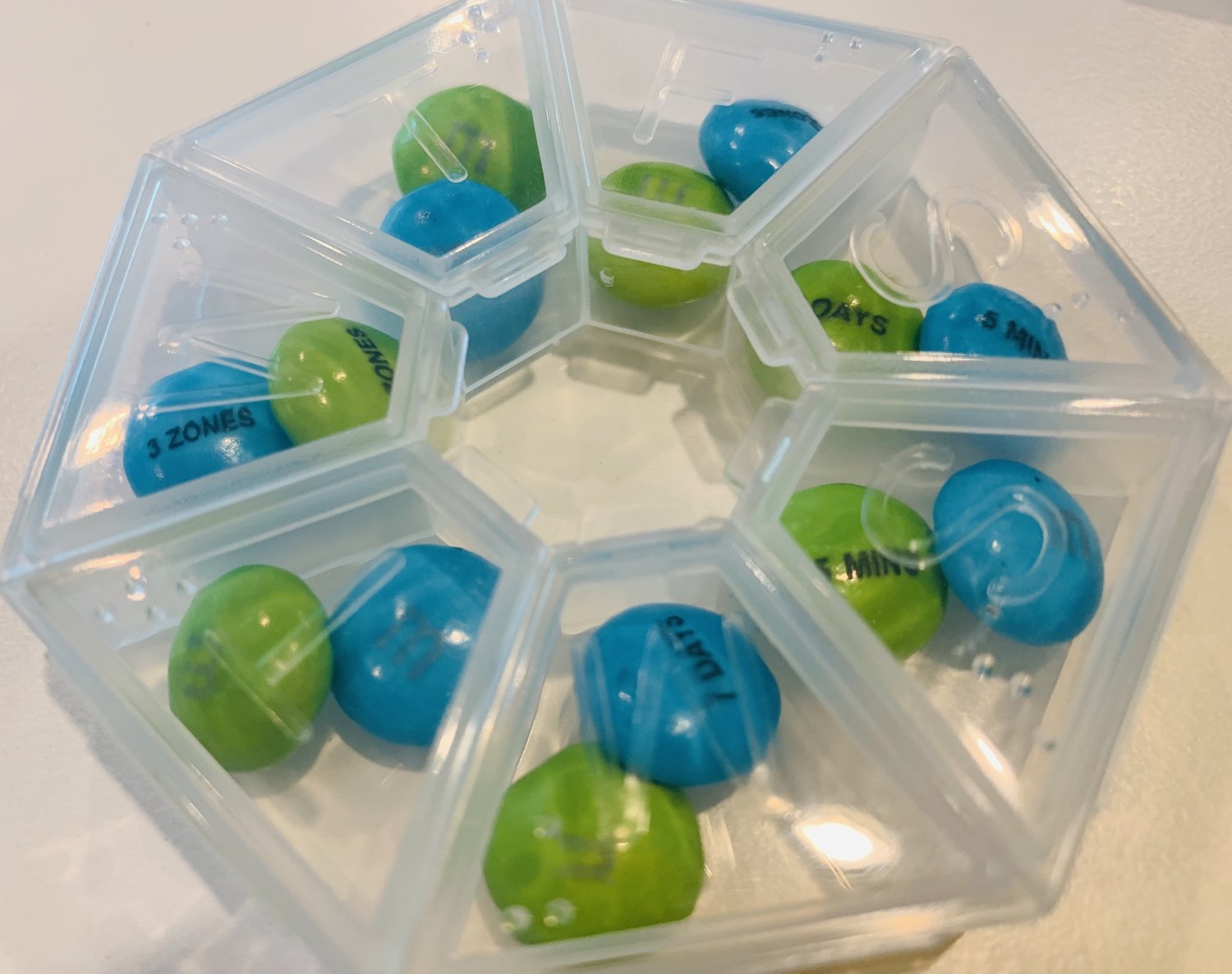
Pillbox
Fill this with a few small candies or legos for each day of the week. Every time they practice at home, students get to eat the treat or stack a lego. Remind them to bring the pillbox back to each lesson (in the practice pouch) to show when practice happened. Every time they bring it back, have a fresh supply of “practice pills” to refill the pillbox.
Pencil
Encourage students to "practice with a pencil." Instead of you writing in the counting or fingering where necessary, have students write in these details during lessons so they can continue to do the same at home.
Stickers
Provide a small supply of stickers so students can place one on a page they are particularly pleased with because of the progress made. This process encourages self-assessment which is key to building successful home practice.
Highlighter
Choose a designated color and then ask students to highlight all dynamics in their sheet music with only that color to heighten awareness of the small signs. Then assign students to add and listen for every dynamic during their practice.
Dice
When an entire piece has been learned and needs to be mastered, ask students to divide a piece into six sections and number them one through six. Roll the dice. If a four is rolled, the student finds section four. Roll again, and the new number rolled is how many times section four will be played. The last time the section is played it must be with zero errors or students must roll again and work on the same section.
Kazoo
For those shy about singing, have them buzz a melody with a kazoo instead.
Pennies
This strategy is ideal for students who may repeat things three times but don’t make progress.
- Line up three pennies, buttons, erasers, Legos or Skittles–your choice or students’ choice–on one side of the music stand.
- Choose a small section or measure of an assigned piece.
- Isolate the area with sticky notes on either side to help the eyes focus on the selected measure.
- Students must play the assigned section perfectly, with no errors.
- If the portion is played with zero errors, one penny may be moved to the other side of the rack.
- When all three pennies have been moved, practice on that portion is completed.
- Choose another small section and repeat the steps above.
Rubber Bracelet
It’s typical for students to confuse which hand is right and which is left. With a Sharpie, mark a bracelet with an "R" and ask students to wear it when practicing to help them remember.
Traveling Tools
To keep students engaged and avoid blowing your budget on practice pouches, supplement with special travel tools. Prescribe a practice strategy and let students borrow a travel tool for a week and place it in their pouch to take home.
Paper clips
Use these for what I call Link and Chain practice. This practice is ideal for lines or sections that need to flow more smoothly.
- Play one measure perfectly.
- Earn a paper clip.
- Play the next measure perfectly.
- Earn a paper clip.
- Play both measures perfectly.
- Link the clips together.
- Challenge: see how many paper clips they can chain together in a day or throughout the entire week!
This strategy also works with puzzle pieces, Legos, Barrel of Monkeys, and anything that links, snaps or clicks together.
Jumbo Dice or Spinner
To build up the tempo for a tricky section, ask students to roll the dice or spin for a number.
- Find and write down the metronome marking for the "comfort tempo" of a designated tricky section in the lesson. "Comfort tempo" means it can be played perfectly at that speed.
- Roll or spin for a number and add that number to the metronome speed.
- Play the section again at the new metronome marking.
- Keep playing until the section is perfect at the new tempo.
- Write down that number near the section on the sheet music.
- Roll or spin for another number and add that one to the new metronome tempo number.
- Play the section again at this metronome marking.
- Keep playing until the section can be played without errors at the new tempo.
- Write down the highest tempo marking reached each day.
Toy Turtle
For those who tend to speed through practice, give them a turtle and name it Atticus Adagio, Larry Largo, Louis Lento, or any other SLOW tempo name. Ask students to set the turtle on the piano rack. Let them know the turtle has special ears and will report any reckless practice and fast speeds!
Tic Tac Toe Game
This strategy can work with a special notepad and pencil you provide, or check Target or the Dollar Store for wooden or plastic Tic Tac Toe boards. Assign students to take the practice tool home if they struggle with playing things more than once.
- Students choose X or O.
- Students select a measure or phrase.
- If it's played perfectly, students place an X in a desired square, if not, the teacher or a parent gets to place an O.
- Continue until somebody wins.
- If a parent wins, students must play the phrase again 3 more times.
Hourglass Timer
If students avoid an assignment like scales or technique, give them a one-minute timer. Ask them to practice that assignment as long as the timer is running. It may not be long enough but it's better than nothing!
Hand-made Practice Tools
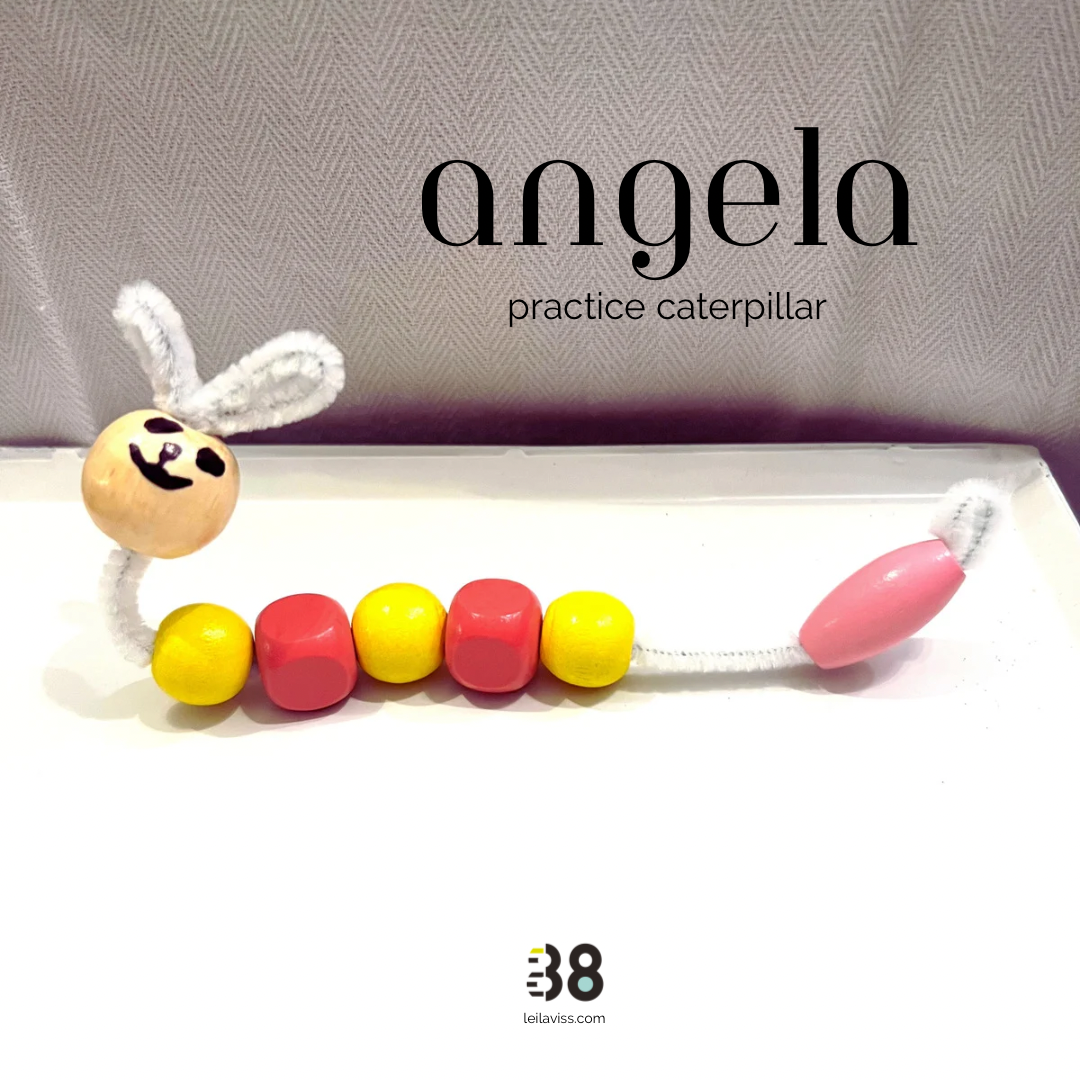
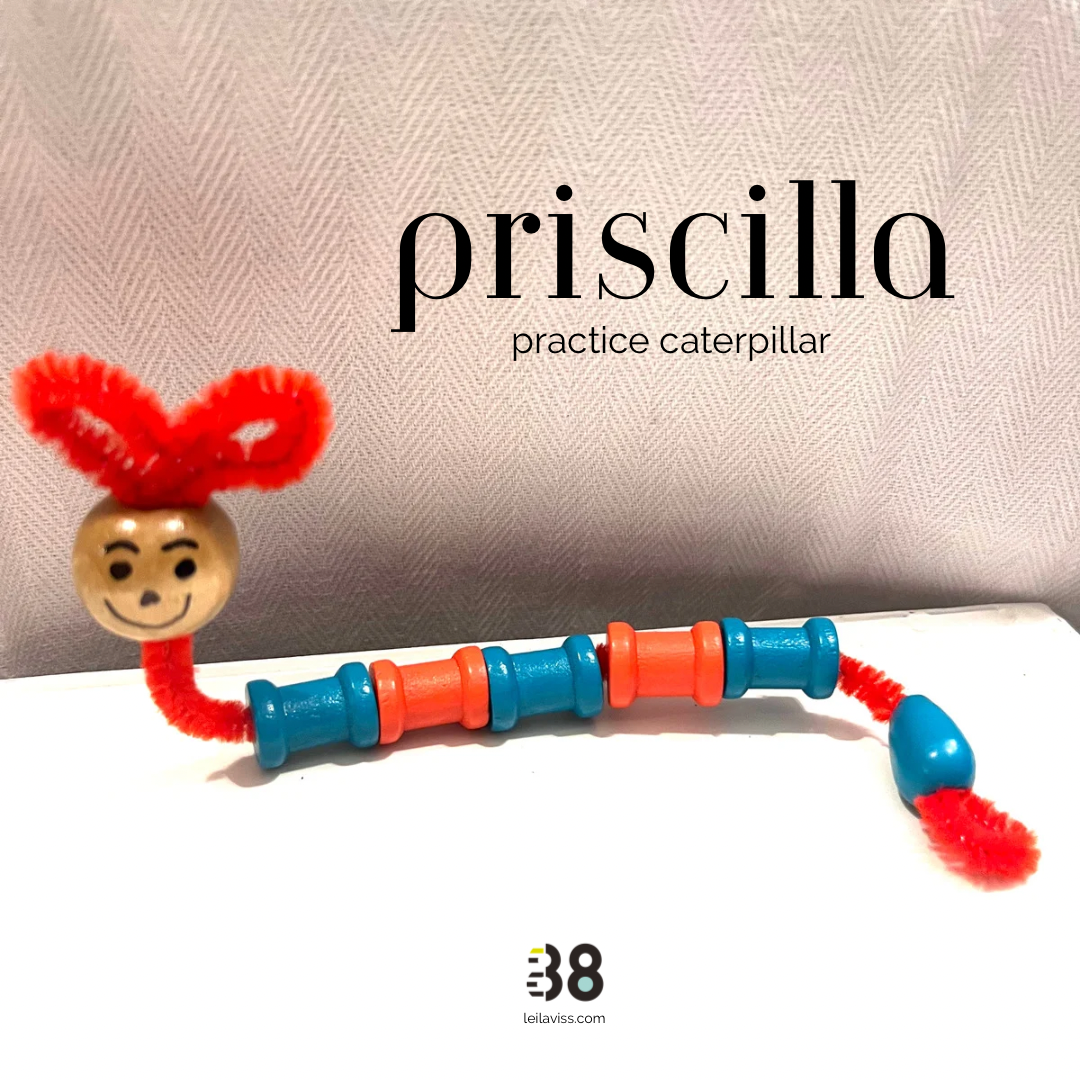
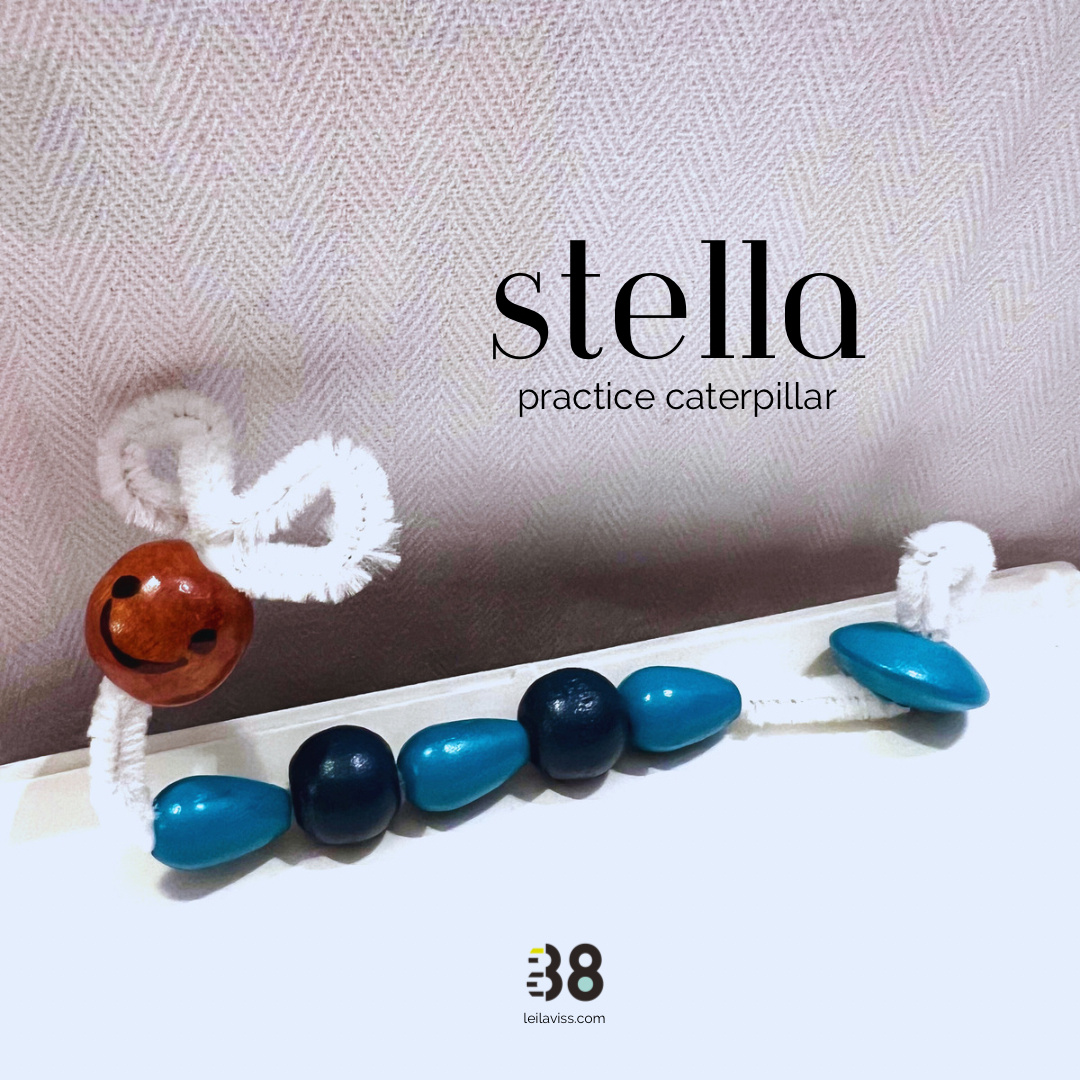
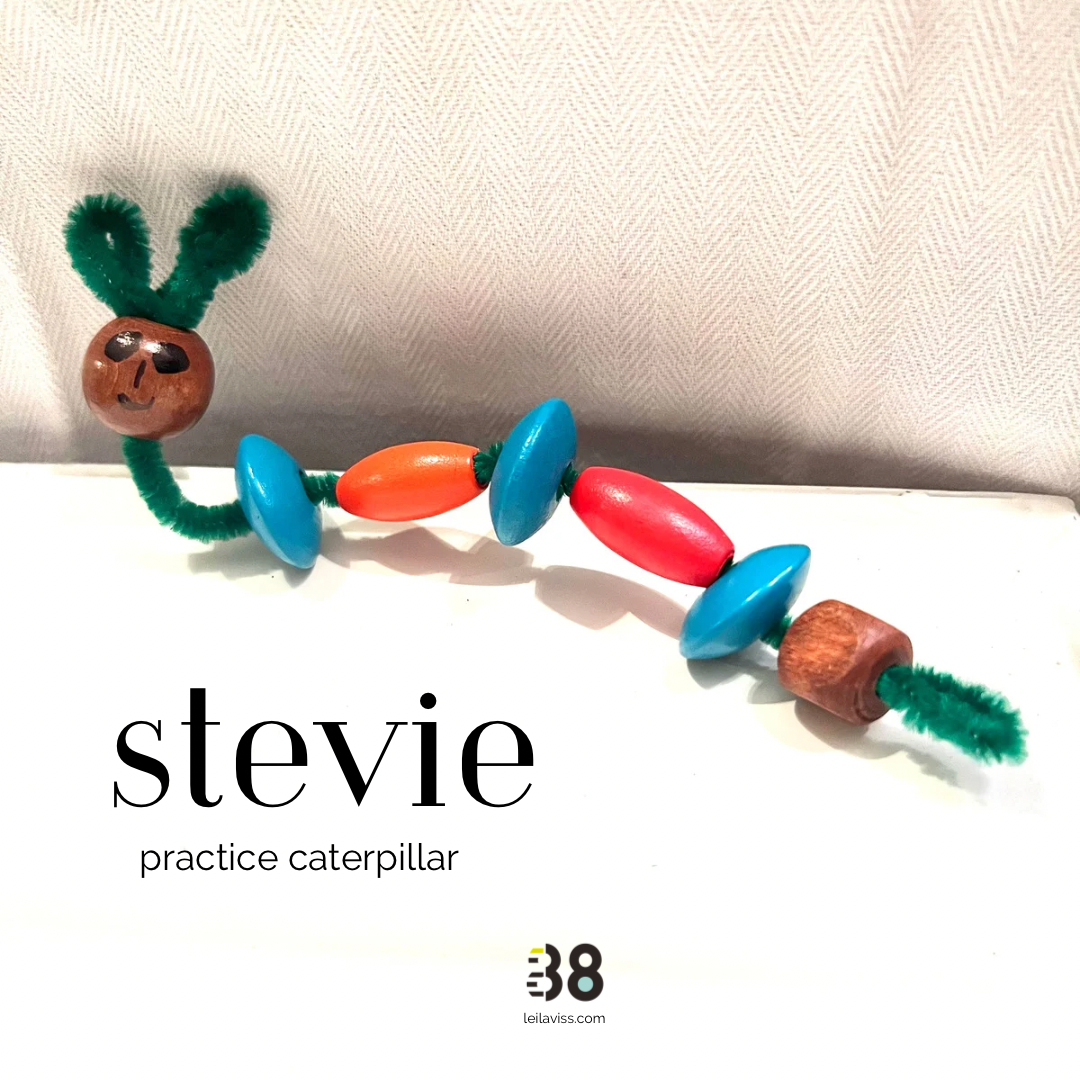
Most students like crafts, and if you do too, consider making caterpillar counters for a cute and clever practice tool. To assemble one, you need one pipe cleaner and six beads around a half-inch in size. Make one loop at one end of the pipe cleaner to keep the beads secure. Make two loops on the other and hold them together with a roundish bead. Draw a face on the bead with a Sharpie if you want to add some personality to your caterpillar.
As I posed each caterpillar for a photo, personalities and names emerged. They reminded me of movie stars on the Hollywood red carpet! Depending on the beads, caterpillars may look glamorous or reptilian!
Use the caterpillar counters for practice by choosing a small section of a piece. Ask students to play it FIVE times. Each time it’s played, the player moves a bead toward the caterpillar's head or tail. The goal? The fifth time should be error-free. If not, start all over.
A Few Tips
- If packing individual practice pouches feels like a chore, set out all the tools and assign students to assemble them on the first day of lessons.
- If you teach in groups or a class setting, test the effectiveness of practice strategies. Assign one side of the room to use one strategy and the other side of the room to use another. After a week of practice, let the students decide who made more progress. Incentivize your students by offering a prize to the winning side of the room.
- Once your students are familiar with these specific practice strategies, invite them to diagnose issues and prescribe their own practice regimen.
All the best to you as you power up practice. May your efforts lead to progress and eventually to musicians hooked on music for life!
